Methods
Define Personas
Based on our user research and interviews, We developed three key personas
.jpg)
Service and cleaning industry owner
.jpg)
Construction industry manager
.jpg)
Small business owner (Newcomer)
Workplace Safety Plan Builder (WSPB)
Role
UX designer &
Service designer
Timeline
15 month
Team
Cross-functional team:
PO, PM,
UX designers, UX Researcher, Service designer, Content writer,
Engineers, QAs
Skills
User research
Prototyping
Visual design
Usability testing
Background
The Workplace Safety Plan Builder (WSPB) is a tool to help small business owners/operators recognize, assess, control and evaluate potential and existing workplace hazards.
Our goal is creating a single platform where businesses can find helpful, easy to understand information regarding occupational health and safety (OHS), learn about supports available to them, create and store their policies and procedures, and stay connected with the government and health and safety partners.


This essential tool allows me to detail the pathways users take, helping to illuminate user's actions, thoughts, and emotions over a timeline to reveal pain points, opportunities for improvement
Define Customer Journey Map
Step by step onboarding, provide business information and activities.
Work flow #1

Step by step onboarding, provide business information and activities.
Work flow #2

Use different sticky note colours to find at bird's eye view all the pains, delights and drivers post-its. It allows me to create a heat map of which topic carry the most pain points, which one generates most experience delights and which one is the strongest driver.
Interviews Analysis
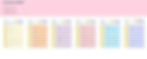
Affinity mapping
Review the interview recordings and notes to identify key themes and insights. Organizing and analyzing information by grouping similar ideas into themes.
Synthesis


Refining design
Based on the usability testing and synthesis, we introduced several improvements.
Tutorial tour flow:
-
Oriented users on what the tool does
-
Highlighted key actions they could take
-
Reduced hesitation and cognitive overload
The goal wasn’t just to explain the tool — it was to increase users' confidence and sense of progress.
Admin tool
The WSPB Admin Tool was refined with clearer navigation, visualized analytics, structured content management, and streamlined account oversight for a more consistent and accessible user experience.

Project 01

Project 02

Project 03

Project 04

Project 05
Deliver
Developer Handover
-
Early conversations with the development team
-
Had daily standups with development team and get them involved in the design and testing sessions
-
Make sure design files are organized and legible
-
Walk through the design with developers and stakeholder

Service Design
Design Methods
Outlined the service design methods applied to analyze and reimagine the Workplace Safety Plan Builder.

Business operation model
Defined the operating model to align business processes, stakeholders, and technology for WSPB.


Business model canvas
Framed the WSPB’s value proposition, customers, and resources using a business model canvas.
Current state service
Mapped the current service to highlight user pain points, inefficiencies, and gaps in delivery.


Future state service
Proposed a future service vision integrating new touchpoints and supports to deliver a seamless compliance experience.
Opportunities
The opportunities we uncovered emerged from our research — including moderate interviews, opportunities workshop, and affinity mapping.
We prioritize which ones were most feasible and valuable to solve.
More entry points
It can Make the tool more accessible and improve user engagement.
Integration with other apps
Integration with internal and external resources, By connecting WSPB to inspection workflows, it can improve Regulatory Compliance. For example: Fire, and Occupational Exposure Registry
Search engine
A well-designed search engine can provide tailored results based on user queries, ensuring they receive the most relevant information for their business type.
Virtual assistant
By handling frequently asked questions, a chatbot minimizes the need for users to contact government support services, saving time and resources.

Future blueprint map
Detailed the future blueprint mapping frontstage, backstage, and support processes required to enable the new WSPB experience.
Take away
1
Current service is fragmented, with pain points in discoverability, navigation, and compliance clarity.
2
Service design analysis identified opportunities: better entry points, integration with existing workflows, CMS for consistency, and AI support (search + virtual assistant).
3
Future state envisions a seamless, supportive compliance journey that reduces effort and builds trust.
4
Overall, the shift is from a punitive model to a proactive, user-centered service that encourages adoption.